
Sciatica vs. Back Pain: How to Tell the Difference (And Why It Matters)
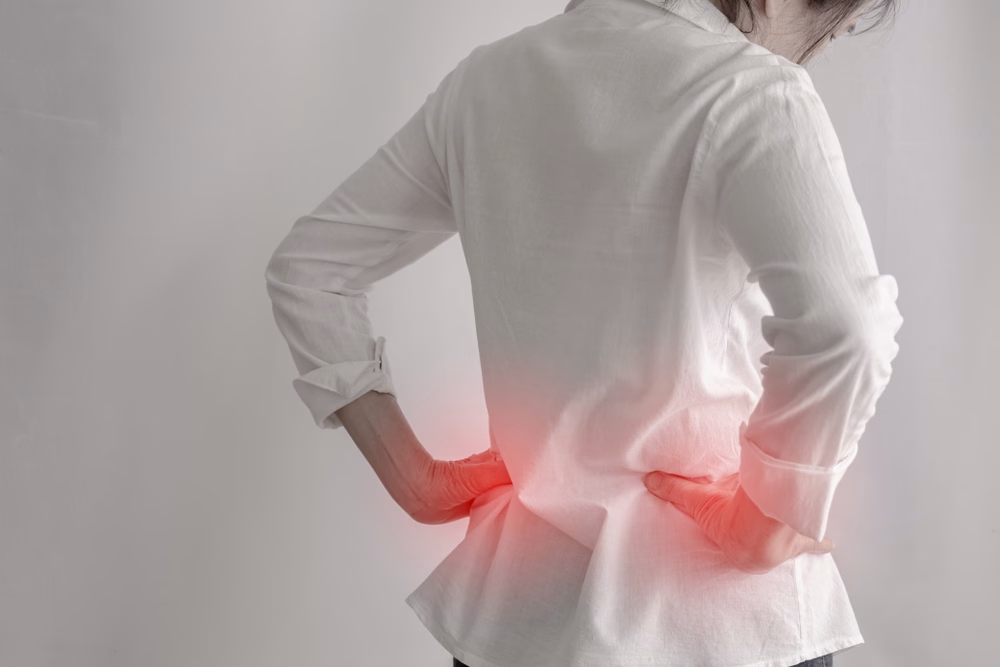
“My back is killing me” is one of the most common things people say — but back pain is not a single condition. It’s a symptom with dozens of potential causes, each requiring a different treatment approach. One of the most important distinctions to understand is the difference between general lower back pain and sciatica — two conditions that are frequently confused, but that respond to treatment very differently.
At Integrated Chiropractic in Silverdale, WA, Dr. Sean Joseph evaluates patients with lower back pain thoroughly — using physical examination, orthopedic testing, and digital X-rays — to distinguish between these conditions and ensure every treatment decision is based on an accurate diagnosis.
What Is General Lower Back Pain?
Lower back pain — sometimes called non-specific low back pain — refers to pain localized to the lumbar region of the spine (the lower back) without radiation into the legs. It is one of the most common health complaints in the world, affecting up to 80% of adults at some point in their lives according to the National Institutes of Health.
General lower back pain can originate from many structures, including:
- Lumbar muscle strains and ligament sprains
- Facet joint dysfunction and inflammation
- Sacroiliac joint dysfunction
- Degenerative disc disease
- Spinal misalignment (subluxation)
- Poor posture and muscular imbalances
Characteristics that typically indicate general lower back pain (rather than sciatica) include:
- Pain that stays in the lower back and does not radiate into the leg
- Localized muscle tenderness or spasm
- Stiffness that improves with movement and warmth
- Pain that worsens with specific positions or activities but does not produce leg symptoms
What Is Sciatica?
Sciatica is a specific type of nerve pain caused by compression or irritation of the sciatic nerve — the longest and largest nerve in the body. The sciatic nerve originates from nerve roots in the lumbar and sacral spine (L4 through S3), travels through the buttocks and hips, and extends down the back of each leg to the foot.
Sciatica is most commonly caused by:
- Lumbar disc herniation pressing on a sciatic nerve root
- Bone spurs narrowing the spinal canal or nerve exit points
- Spinal stenosis (narrowing of the spinal canal)
- Piriformis syndrome (muscle compression of the sciatic nerve in the buttock)
- Spondylolisthesis (slipped vertebra)
Characteristics that distinguish sciatica from general back pain include:
- Pain that radiates from the lower back or buttock into the leg — often reaching the calf or foot
- Burning, shooting, or electric shock-like pain along the nerve pathway
- Numbness or tingling in the leg, calf, or foot
- Muscle weakness in the affected leg or foot
- Pain that worsens with prolonged sitting
- Pain that intensifies with coughing, sneezing, or straining
The defining feature of sciatica is the radiation of neurological symptoms down the leg. If your back pain does not produce leg symptoms, it is unlikely to be sciatica — though a proper evaluation by Dr. Joseph is the only reliable way to be certain.
Why the Distinction Matters for Treatment
Treating sciatica as general back pain — or vice versa — is one of the most common reasons patients fail to fully recover. The two conditions require different emphases in treatment:
For general lower back pain, treatment at Integrated Chiropractic typically focuses on restoring spinal alignment, reducing muscle spasm and inflammation, improving joint mobility, and addressing the postural and muscular imbalances that predispose the lumbar spine to recurrent strain.
For sciatica, the priority is decompressing the sciatic nerve root — through targeted lumbar adjustments, specific stretches and corrective exercises to reduce disc pressure, myofascial release of the piriformis if that muscle is involved, and lifestyle modifications to reduce aggravating factors like prolonged sitting and lumbar flexion under load.
Dr. Joseph uses in-office digital X-rays and a thorough orthopedic examination to distinguish between these conditions and determine the precise source of your lower back symptoms before any treatment is performed.
When to Seek Urgent Care
Most cases of lower back pain and sciatica are not medical emergencies. However, the following symptoms alongside lower back or leg pain should prompt immediate medical attention:
- Loss of bowel or bladder control
- Progressive weakness in both legs
- Numbness in the saddle area (inner thighs and groin)
- Fever accompanied by back pain
These symptoms may indicate cauda equina syndrome — a serious spinal emergency that requires immediate surgical evaluation. Dr. Joseph screens all lower back pain patients for these red flags as part of his standard intake process.
Getting the Right Diagnosis in Silverdale, WA
Whether your lower back pain turns out to be a muscle strain, a disc herniation, sciatica, or sacroiliac dysfunction, the path to lasting relief starts with an accurate diagnosis. At Integrated Chiropractic in Silverdale, Dr. Joseph takes the time to understand exactly what is happening in your spine before recommending treatment — so you receive the right care the first time.
Learn more about sciatica treatment and conditions treated at Integrated Chiropractic, or call (360) 516-6296 to schedule your evaluation today. You can also request an appointment online.